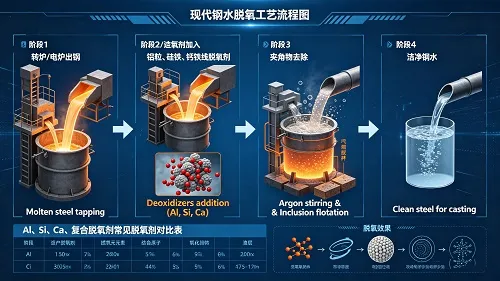
Steel deoxidation is a critical step in the steelmaking process that directly influences the final quality, mechanical properties, and cleanliness of steel products. Over the past decade, significant innovations in deoxidation alloys and practices have enabled steel producers to achieve unprecedented levels of efficiency and material performance.
Traditional methods using aluminum or silicon have been refined, while new composite alloys are making waves. This article explores the latest technological breakthroughs, their impact on sustainability, and what they mean for the future of steel manufacturing.
The Evolution of Deoxidation Practices
Historically, steel deoxidation involved adding elements with a high affinity for oxygen—such as aluminum, silicon, and manganese—to remove dissolved oxygen from molten steel. While effective, these practices often left behind non-metallic inclusions that could impair toughness and fatigue resistance.
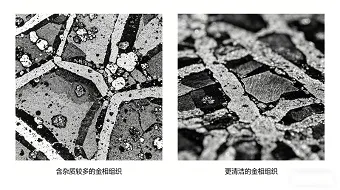
Recent innovations focus on complex deoxidizers such as calcium-silicon alloys, silicon-manganese with trace rare earth elements, and cored wire injection. These not only remove oxygen more efficiently but also modify inclusion morphology, turning harmful alumina clusters into harmless, globular calcium aluminates.
Key Innovations Driving Efficiency
1. Cored Wire Injection Technology
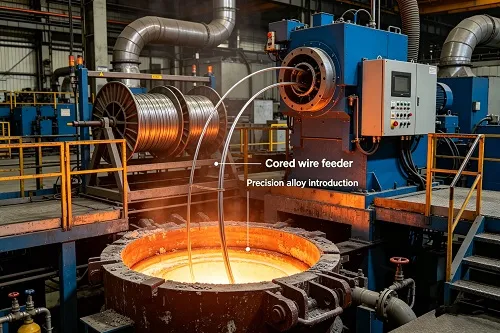
Cored wire containing calcium-silicon or other reactive powders allows precise addition deep into the ladle. This minimizes oxidation loss and ensures a higher yield of active deoxidizing elements. Mills report a 15–20% reduction in alloy consumption while achieving lower oxygen levels.
2. Rare Earth Microalloying
Adding trace amounts of cerium or lanthanum alongside traditional silicon-manganese alloys has been shown to refine grain size and further clean the steel. These rare earth elements act as powerful scavengers for sulfur and oxygen, enhancing ductility and corrosion resistance.
Sustainability and Cost Benefits
Improved deoxidation efficiency translates directly into lower energy consumption and reduced waste. With fewer inclusions, downstream processing (rolling, forging) suffers less downtime. Moreover, advanced alloys often allow the use of lower-grade raw materials, as the deoxidation process can compensate for initial impurities.
From an environmental perspective, cleaner steel requires less rework and scrap, cutting the overall carbon footprint per ton of finished steel. Bright Alloys’ new generation of silicon-based deoxidizers, for example, is designed to work optimally with electric arc furnace (EAF) steelmaking, supporting the industry's green transition.
Case Example: Automotive Steel Upgrade
A leading automotive sheet producer switched from conventional aluminum deoxidation to a tailored CaSi cored wire + FeSiBa inoculant combination. The result: a 30% reduction in surface defects on cold-rolled sheets and a measurable increase in elongation values, meeting stringent OEM specifications for lightweight chassis components.
As the steel industry moves toward higher performance and sustainability, innovations in deoxidation remain at the forefront. Staying updated with alloy developments is essential for any competitive steelmaker.